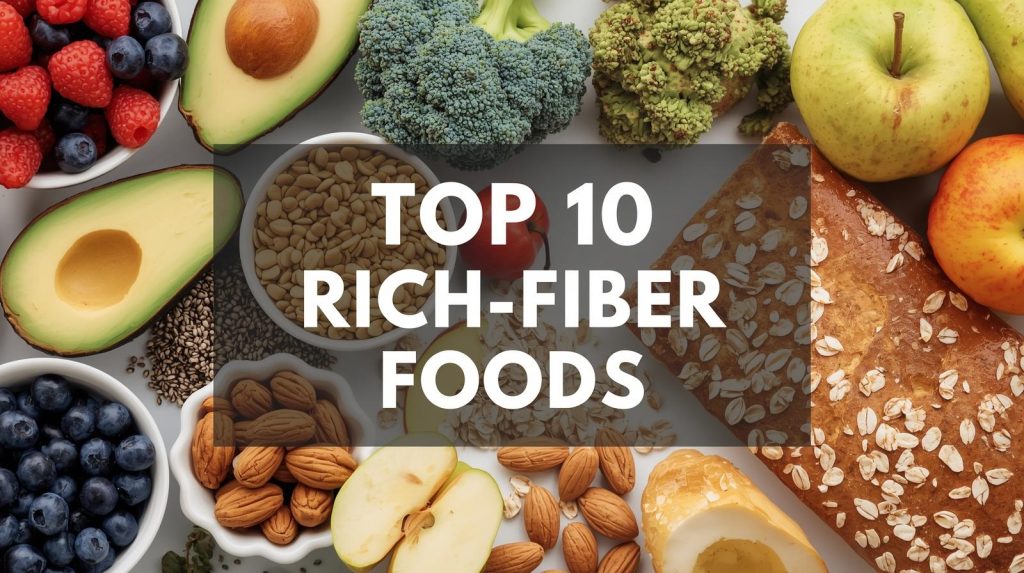
In today’s fast-paced world, many of us focus on calories, carbs, and protein — but often overlook one of the most important components of a healthy diet: dietary rich fibre foods. Foods rich in fiber offer a host of remarkable health benefits, from supporting digestive health to aiding in weight management, regulating blood sugar levels, and even reducing the risk of chronic diseases like heart disease and type 2 diabetes. Adding top sources of rich fibre foods to your daily meals can transform your eating habits and overall well-being.
In this comprehensive guide, we’ll explore the top 10 rich fibre foods , explain why they’re so beneficial, and offer practical tips on how to enjoy them in your everyday meals.
What Is Dietary Rich Fibre Foods?
Dietary fiber is a type of carbohydrate found in plant foods that your body cannot digest. Instead of breaking down into sugar molecules like other carbs, it passes through your digestive system relatively intact, providing a range of health benefits along the way. There are two main types:
- Soluble fiber – dissolves in water and forms a gel-like substance in the gut, which helps lower cholesterol and control blood sugar.
- Insoluble fiber – adds bulk to stool and supports regular bowel movements. Healthline
Most plant foods contain a mix of both types, making them excellent additions to a fiber-rich diet. Experts recommend adults aim for about 25–35 grams of fiber daily, depending on age, gender, and caloric intake. Verywell Health
Top 10 Rich Fibre Foods
Let’s dive into the best rich fibre foods you can include in your diet every day. Each of these offers nutritional benefits beyond just fiber, making them excellent choices for overall health.
1. Lentils– rich fibre foods
Lentils are among the most fiber-dense foods you can eat. A single cup of cooked lentils provides around 15 grams of fiber, making them standout sources of plant nutrition. Healthline
Benefits
- Helps regulate blood sugar due to slow carbohydrate absorption.
- Supports heart health with soluble fiber.
- Provides plant-based protein and essential micronutrients.
How to Eat– rich fibre foods
Add lentils to soups, dal, salads, or casseroles for a comforting and fiber-filled meal.
2. Chia Sehttps://www.digitalarc.co.in/selo-11dec5-page/eds
Often hailed as a superfood, chia seeds are incredibly rich in fiber. Just one ounce of chia seeds offers nearly 10 grams of fiber. Healthline
Benefits
- Promotes gut health and balanced digestion.
- High in omega-3 fatty acids and antioxidants.
- Good for heart health and satiety.
How to Eat
Mix into yogurt, oatmeal, smoothies, or make chia pudding by soaking overnight.
3. Black Beans -rich fibre foods
Black beans are a fantastic source of both protein and fiber, with about 15 grams of fiber per cooked cup. Healthline
Benefits
- Keeps you feeling full longer, aiding weight management.
- Helps regulate blood sugar levels.
- Rich in iron and antioxidants.
How to Eat
Use them in burritos, salads, soups, or bean bowls for a nutritious fiber boost.
4. Avocado rich fibre foods
Avocado isn’t just rich in healthy fats — it’s an excellent source of fiber too, providing around 10 grams of fiber per cup. Healthline
Benefits
- Supports heart health with monounsaturated fats.
- Helps improve digestion and gut microbiome health.
- Provides vitamins and minerals like potassium and vitamin E.
How to Eat
Spread on toast, use in salads or smoothies, or enjoy as guacamole.
5. Oats
Oats are one of the most popular and accessible high-fiber foods. A cup of raw oats contains about 10–12 grams of fiber, especially beta-glucan, a type of soluble fiber known to help lower cholesterol. HealthifyMe
Benefits
- Promotes heart health by reducing LDL (bad) cholesterol.
- Supports steady blood sugar levels.
- Provides long-lasting energy.
How to Eat
Enjoy oatmeal for breakfast, add to smoothies or bake into muffins and bars.
6. Quinoa
Quinoa is a pseudo-grain that’s rich in both fiber and protein. It contains about 5–7 grams of fiber per 100 g uncooked. HealthifyMe
Benefits
- Contains all nine essential amino acids (complete protein).
- Helps with digestion and fullness.
- Nutrient-dense with minerals like magnesium and phosphorus.
How to Eat
Use in salads, bowls, or as a replacement for rice and other grains.
7. Barley
Barley is another excellent whole grain high in fiber, particularly beta-glucan. One 100 g serving of hulled barley has about 17 grams of fiber. HealthifyMe
Benefits
- Aids digestive regularity.
- Helps reduce cholesterol levels.
- Enhances satiety and blood sugar control.
How to Eat
Use barley in soups, salads, or as a side dish in place of rice.
8. Raspberries
Raspberries, along with other berries, are fiber powerhouses. A single cup of raspberries contains around 8 grams of fiber. Healthline
Benefits
- Rich in antioxidants and vitamins.
- Supports digestive health and immunity.
- A tasty low-calorie option for meals and snacks.
How to Eat
Add to breakfast bowls, yogurt, smoothies, or enjoy fresh as a snack.
9. Chickpeas
Chickpeas provide a significant amount of fiber — about 12.5 grams per cooked cup — along with protein and complex carbohydrates. Healthline
Benefits
- Helps with digestion and satiety.
- Adds plant-based protein to meals.
- Supports stable blood sugar levels.
How to Eat
Use in curries, hummus, salads, or roasted as a crunchy snack.
10. Almonds & Nuts
Nuts like almonds, pecans, and peanuts are not only nutrient-dense, but also high in fiber — almonds alone provide around 12.5 grams of fiber per 100 g. HealthifyMe
Benefits
- Great source of healthy fats, vitamins, and minerals.
- Adds a satisfying crunch and keeps hunger at bay.
- Supports heart health.
How to Eat
Enjoy a handful as a snack, sprinkle on cereals, or mix into trail mix.
Health Benefits of Eating Rich Fibre Foods
Choosing foods rich in dietary fiber isn’t just about digestion — the impact on your overall health is wide-ranging:
1. Improves Digestive Health
Fiber adds bulk to stools and supports consistent bowel movements, helping prevent constipation and promoting a healthy gut environment.
2. Supports Heart Health
Soluble fiber helps lower LDL cholesterol, reducing the risk of heart disease and supporting overall cardiovascular wellness. Healthline
3. Aids Blood Sugar Control
Fiber slows the breakdown of carbs and the absorption of sugar, helping keep blood glucose levels stable — especially valuable for people with insulin resistance or diabetes. Healthline
4. Enhances Weight Management
Foods rich in fiber keep you feeling full longer, which can help curb overeating and support weight loss goals.
5. Boosts Gut Microbiome
Fiber serves as a prebiotic, feeding beneficial gut bacteria and contributing to a healthy digestive ecosystem. Healthline
Tips for Adding More Rich Fiber foods to Your Diet
Incorporating rich fibre foods into daily eating doesn’t have to be hard. Here are simple ways to boost your fiber intake:
- Start your day with a high-fiber breakfast like oatmeal topped with berries and chia seeds.
- Swap refined grains for whole grains — choose brown rice, quinoa, barley, or whole-grain bread.
- Snack smart with nuts, seeds, and fresh fruit instead of chips or sweets.
- Add legumes to meals — use lentils, beans, or chickpeas in salads, soups, and stews.
- Eat fruits and veggies with the skin on whenever possible — the skin often contains significant fiber.
Meta Title
Rich Fibre Foods: Top 10 Rich-Fiber Foods for Health & Wellness
Meta Description
Discover the rich fibre foods that boost digestion, heart health, and weight management. Explore the top 10 high-fiber foods with benefits and tips to include them daily.
Conclusion
Fiber is an essential component of a healthy diet, and increasing your intake doesn’t require dramatic changes — just smarter food choices. Whether it’s hearty lentils, creamy avocados, or crunchy almonds, there are plenty of rich fibre foods you can enjoy every day. Incorporate these nutrient-dense foods into your meals, and you’ll be on your way to improved digestion, better heart health, and long-lasting wellness.
If you’d like this blog formatted for WordPress or Medium, or tailored to a specific audience (like weight loss or gut health), let me know!